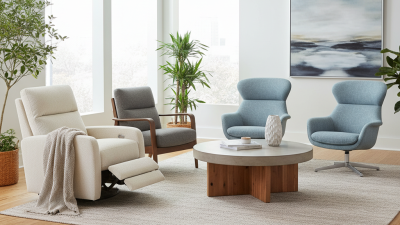
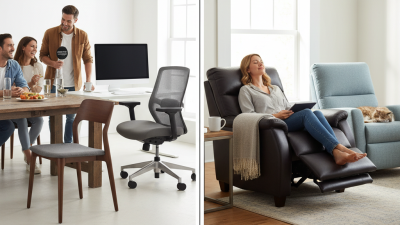
When you're looking at the global market for Chairs And Recliners, there are quite a few things to consider. The industry's booming, and it’s expected to hit around $12.7 billion by 2027, according to Grand View Research. These days, ergonomic designs and customizable options are pretty much must-haves—they're really shaping what folks want. Comfort is a big deal, especially with more people working from home and needing cozy, supportive chairs.
Picking out the right chair or recliner isn’t just about looks, either. The quality of materials really matters—if the fabric and cushioning don’t hold up over time, it can really impact how much you enjoy using it. Experts suggest checking for products that meet certain durability standards. Plus, brands like La-Z-Boy and Ashley Furniture often offer solid warranties, which definitely gives you some peace of mind.
That said, it's not always straightforward. The marketplace can be a bit tricky—some marketing tricks can be misleading, leaving you disappointed. It’s a good idea to read real user reviews; they can uncover hidden flaws that manufacturers might not highlight. Doing your homework, comparing options, and focusing on brands that are reliable and trustworthy can save you a lot of hassle when shopping for furniture for your home or office.
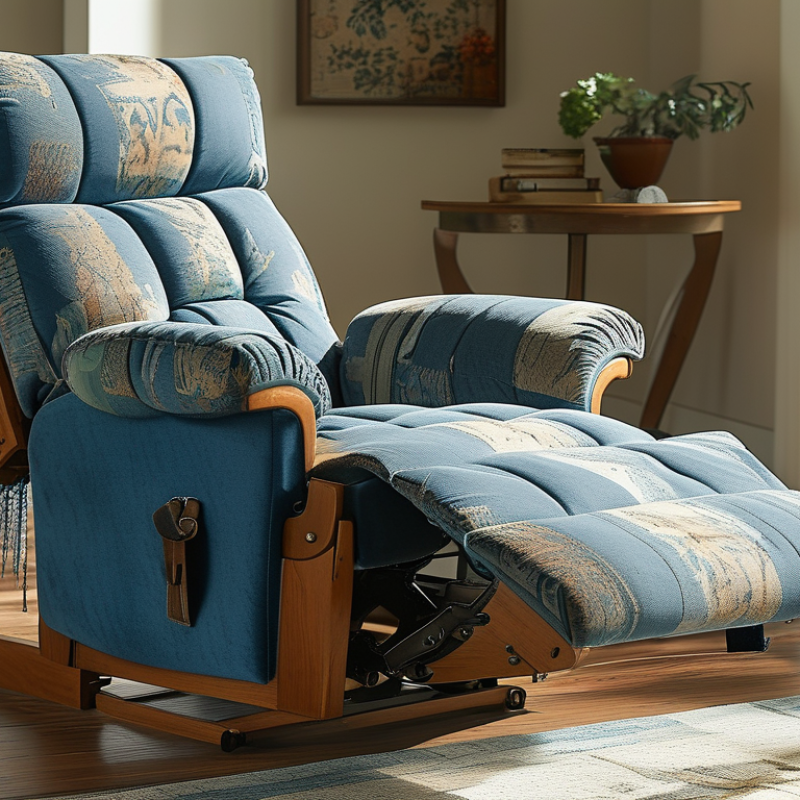
Types of Chairs and Recliners: A Comprehensive Overview
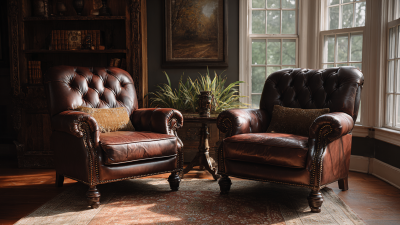
When choosing the right chair or recliner, understanding types is crucial. There are various styles, each serving different needs. For instance, a wingback chair offers a traditional touch. It's cozy for reading. On the other hand, a sleek modern recliner suits contemporary spaces. Consider your room's aesthetic when making a choice.
Recliners come in several categories. Some are designed for ultimate relaxation, while others focus on functionality. Massage recliners provide comfort and soothe tired muscles. Lift chairs assist people in getting up easily, especially for seniors. Each type has unique features, which can sometimes overwhelm buyers.
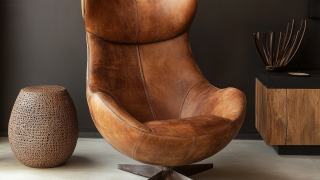
Color and fabric also play significant roles. A leather chair offers elegance but may require maintenance. Meanwhile, fabric chairs can provide warmth and comfort. Durability is another factor to reflect on. A beautiful chair may not last long if made with low-quality materials. Think about your lifestyle and how the chair will fit into it. Make an informed choice by weighing all these details.
Key Features to Look for in Chairs and Recliners
When selecting chairs and recliners, comfort is key. Look for ergonomic designs that support your body. A chair should promote good posture. This feature is crucial, especially for long hours of sitting. Another aspect is the material. High-quality upholstery not only feels better but lasts longer. You'll want to test different fabrics. Some may feel nice but are difficult to clean.
Adjustability matters, too. Chairs and recliners should accommodate various body types. Check if the recline function is smooth and effortless. This can make or break your experience. A good height adjustment feature is also important. It ensures that your feet are grounded. Without this, discomfort can quickly arise.
Tips to remember: Always sit in a chair before purchasing. Pay attention to the cushioning; it can vary greatly between models. Be cautious of overly soft cushions, as they could lead to poor support. Finally, consider the chair’s size. It needs to fit well in your space without making it feel cramped.
Material Considerations: Durability and Comfort Factors
When selecting chairs and recliners, material plays a crucial role in durability and comfort. Upholstery options vary widely, from leather to fabric. Each material has distinct advantages and disadvantages. Leather offers a classic look and is easier to clean. Yet, it can be less breathable and may not be ideal in hot weather. Fabrics like microfiber are soft and cozy but may stain more easily.
Durability is essential for long-term satisfaction. Vinyl can mimic leather's appearance while providing better resistance to wear and tear. However, it may lack the comfort of more breathable materials. Natural fibers like cotton and linen bring a touch of elegance but require more maintenance. Reflecting on personal comfort preferences is key. An inviting chair can transform a room, yet it needs to feel right when sitting.
Choosing the right material often involves trade-offs. Comfort might come at the expense of durability, and vice versa. Reflect on lifestyle needs and usage frequency. What feels good for a short sit might not be ideal for everyday lounging. Testing various materials in person can help narrow down the best fit.
Sizing and Space Requirements for Optimal Placement
When it comes to selecting chairs and recliners, sizing and space requirements play a pivotal role. A recent industry report indicates that 45% of consumers overlook space dynamics, leading to poor placement choices. The right dimensions not only enhance comfort but also elevate the aesthetics of your living space. For instance, a recliner requiring at least 60 inches of space for full recline should be positioned accordingly, avoiding cramped corners.
Consider the layout of your room. Open spaces allow for more flexible arrangement, while small rooms need strategic placement. According to experts, an average living room can effectively accommodate a recliner if there's at least 30 inches of walking space around it. This ensures functionality and accessibility. Furthermore, be mindful of seat height and width; a chair that's too wide may disrupt flow in narrow spaces.
Another element to ponder is the visual balance. If your room feels heavy on one side, a proportionately sized recliner can remedy this. However, choosing a recliner that feels massive in a small room may lead to regret. Taking time to measure and visualize can mitigate dissatisfaction later on. Quality matters, but layout and size should not be underestimated.
Understanding Recliner Mechanisms: Manual vs. Electric
Recliners are essential for comfort and relaxation. Understanding the difference between manual and electric recliners is crucial for buyers. Manual recliners are typically more affordable. They offer simplicity and do not require electricity. However, they require physical effort to adjust. People may find this inconvenient over time.
Electric recliners offer advanced features. They often come with remote controls for easy adjustments. Research indicates that 70% of users prefer electric models for their convenience. These recliners often include additional functions, like heating and massaging. This luxury adds to their appeal but increases their price point.
When choosing between manual and electric options, consider your needs. Manual recliners may suit those seeking durability and a straightforward design. Electric models are ideal for users who want comfort at the touch of a button. Each option has its pros and cons. It might be hard to decide, but analyzing individual preferences is key. Buyers should reflect on their lifestyle and the space available.
Budgeting for Quality: Tips for Global Buyers
When budgeting for quality chairs and recliners, it's essential to consider several factors. Start by identifying your needs and preferences. Understand how you will use the chairs. Will they be for relaxation, work, or both? This clarity helps prioritize features.
Consider materials and construction. High-quality upholstery can significantly impact the product's durability. Look for hardwood frames and reputable cushioning. These aspects often translate to a higher initial cost but can save money over time.
Another crucial tip is to explore various price points. Don't settle for the first option. Check multiple retailers to understand market rates. Sometimes a small online search can uncover better deals. Remember, a chair that seems affordable might end up being a poor investment if it lacks longevity. Keep an open mind, but also trust your instincts about comfort and style. Quality furniture is an essential aspect of your living space. Invest wisely for satisfaction and longevity.
Budgeting for Quality: Tips for Global Buyers
This bar chart illustrates the average budget allocation for quality chairs and recliners across different regions. Buyers can utilize this information to better understand pricing expectations and make informed purchasing decisions.
Global Brands and Where to Find Them
When exploring global brands for chairs and recliners, it’s essential to find those that cater to diverse tastes. Look for retailers that offer a wide selection to meet various needs. Online marketplaces often provide access to multiple international brands, allowing for easy comparisons.
Consider the type of material used. Leather, fabric, and eco-friendly options all have unique benefits. Test the comfort levels before making a decision. Don't be swayed solely by aesthetics; durability matters too. Check customer reviews to gauge reliability.
Keep in mind the importance of warranty and customer service. Quality brands often offer better support and flexible return policies. Investigate shipping costs and timelines, especially when ordering from abroad. Your ideal chair should fit both your space and lifestyle needs. Buying furniture is an investment worth careful thought.
FAQS
: There are many types of chairs, including traditional and modern styles. Each serves different needs.
A wingback chair offers a cozy space for reading. Its traditional design adds charm to any room.
Consider your room's aesthetic and your needs. Different recliners focus on relaxation or functionality.
Materials vary from leather to fabric. Each offers unique benefits, including durability and comfort.
Electric recliners offer convenience with features like remote control. They may be a good option for comfort seekers.
Durability matters for long-term satisfaction. Low-quality materials may not last, so choose wisely.
Manual recliners are affordable and simple but require effort to adjust. They suit those wanting durability.
Yes, fabric chairs may stain more easily than leather. Consider your lifestyle when choosing materials.
Think about your comfort preferences and room usage. This will help you select the right chair for your needs.
Yes, testing various materials helps ensure the best fit. Comfort can vary significantly depending on the material.
Conclusion
When considering the purchase of chairs and recliners, global buyers should be well-informed about various key factors. This comprehensive overview includes an exploration of different types of chairs and recliners, highlighting essential features such as comfort, durability, and style. Material considerations are crucial, as buyers must weigh the comfort factors and the longevity of the materials used. Additionally, proper sizing and space requirements are vital for optimal placement in the home.
Understanding the various recliner mechanisms, whether manual or electric, is important for functionality and user preference. Budgeting for quality ensures that customers invest in reliable options that suit their needs. Lastly, global buyers should familiarize themselves with a range of international brands and where to locate them, allowing for informed choices in finding the perfect chairs and recliners for their living spaces.

 szrosiyar@gmail.com
 CONTACT NUMBER
 CONTACT NUMBER