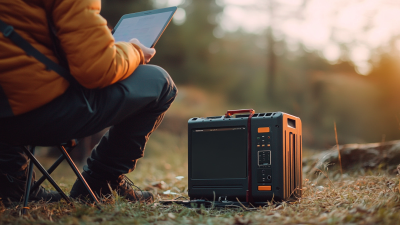
Picking out the perfect Portable Power station isn’t exactly a walk in the park. I mean, with so many options out there, it can feel a bit overwhelming. That’s why insights from folks like John Smith—who’s pretty much an authority in renewable energy—are so helpful. I remember him once saying, “Understanding your power needs is the first step to choosing a portable power solution.” Honestly, that sticks with me because it really hits home: you gotta match what you need with what the station can actually do.
In today’s world, we’re more and more dependent on portable energy, whether it’s for camping trips, emergency prep, or just keeping your gadgets running while on the go. The market is flooded with choices—from lightweight, easy-to-carry models perfect for casual users to heavy-duty units made for serious off-grid adventures. But here’s the thing: not all of them are created equal. It’s super important to look at features like battery capacity, the number of output ports, and how quickly they recharge. Sometimes, what’s advertised doesn’t quite match up in real life, and that can be pretty disappointing.
Figuring out your power needs is really the first step. Checking the wattage of your devices helps you pick the right model without any guesswork. Loads of brands claim they have big power outputs, but in real-world scenarios, they might fall short. That’s why going with a trusted brand—one with a solid reputation—can really make a difference. In the end, making an informed choice can totally level up your outdoor adventures and give you some peace of mind in emergencies.
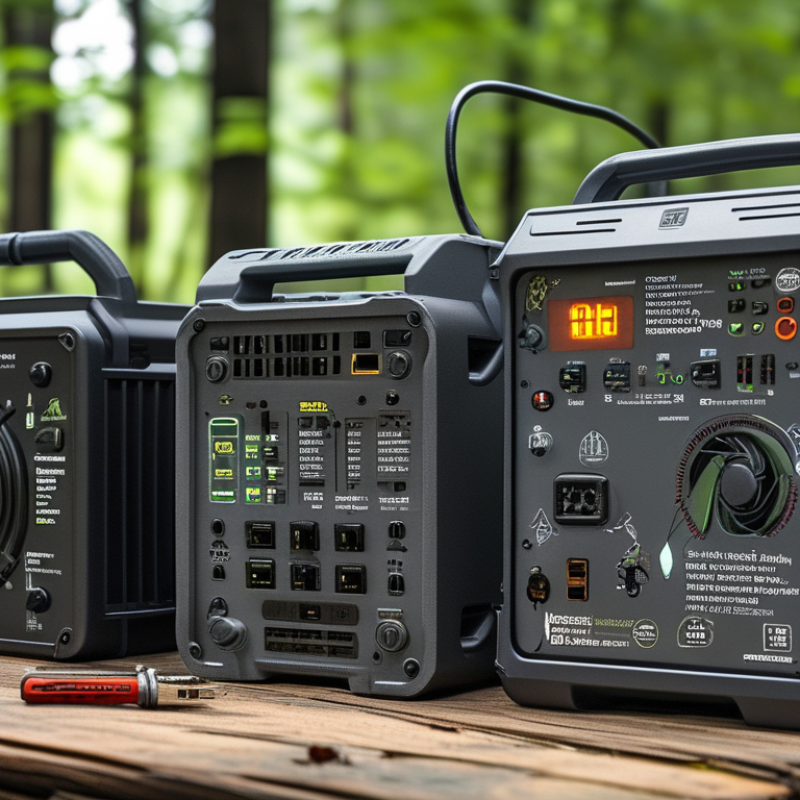
Understanding Portable Power Stations and Their Benefits
Portable power stations have gained immense popularity in recent years. These units provide a convenient power source for camping, emergencies, and even everyday use. According to a recent market report by Research and Markets, the portable power station market is projected to reach $1.6 billion by 2025. This growth highlights the increasing reliance on these versatile devices.
Understanding the benefits of portable power stations is crucial. They offer a cleaner and quieter alternative to traditional gas generators. They can power multiple devices, from phones to small appliances. A study by Grand View Research indicates that nearly 40% of users choose portable power stations for their eco-friendliness. This preference reflects a broader trend toward sustainable energy solutions.
However, selecting the right portable power station can be challenging. Users often underestimate their power needs. Many devices require more wattage than anticipated. Additionally, charging times vary widely between models. Some portable power stations can take over eight hours to recharge fully. Users should evaluate their specific needs carefully. Balancing capacity, weight, and battery life is essential for meeting outdoor or emergency requirements.
Identifying Your Power Needs and Usage Scenarios
Choosing the right portable power station requires a clear understanding of your specific power needs and usage scenarios. Identify the devices you plan to charge or power. For camping, you may need to run a small refrigerator or lights. If you're preparing for emergencies, think about powering medical devices or communication equipment. Each device has its own energy requirements, and mismatched power can lead to frustration or worse.
Consider the wattage and capacity of the power station. A device may require 50 watts to run, but you'll want a station that can handle more. Battery size impacts how long your devices can operate. A larger capacity typically means longer use, but it can also mean a heavier unit. Reflect on how portable you need the station to be. Some situations call for lightweight options while others can accommodate more bulk.
Next, think about charging time and the replenishment sources available. If you’re often away from traditional power sources, solar charging might be ideal. However, solar panels require sunlight, posing a challenge in overcast conditions. Adequate charging time needs consideration to avoid power shortages during critical usage. Assessing these elements ensures you select a power station that truly meets your requirements.
Evaluating Battery Capacity and Output Power Ratings
When selecting a portable power station, understanding battery capacity is crucial. Battery capacity, measured in watt-hours (Wh), indicates how much energy the unit can store. A higher capacity means your devices can run longer. Think about your needs. Will you charge a smartphone or power a mini fridge? A device with 300Wh can support smaller electronics, while one with 1000Wh accommodates more demanding items.
Output power rating is another essential factor. This rating, found in watts (W), tells us how much power the station can deliver at once. If you try to run devices exceeding this limit, it may lead to failure or damage. For instance, if your equipment requires 600W and your station offers 500W, it won’t work efficiently.
Tips: Check for surge capacity as well. Some devices have a high starting power, which lasts only for a moment. Always account for this when making your decision. Take your time to compare models. Gather real user feedback. You might find features that are not immediately apparent but can significantly impact your experience. Reflect on your usage history; it may guide you toward a more practical choice.
Comparing Different Types of Portable Power Stations
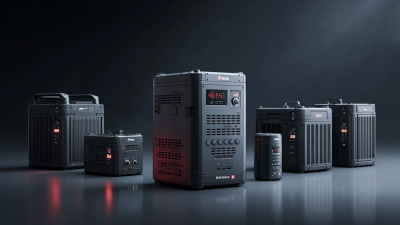
When choosing a portable power station, consider the different types available on the market. Lithium-ion stations are popular for their lightweight design and high energy density. They can power various devices, from small gadgets to larger appliances. However, they can be pricey.
Lead-acid power stations are often more affordable. They are heavier and bulkier, making them less portable. Yet, they are reliable for basic power needs, such as lighting and charging phones. Both types have their pros and cons. Think about your personal needs carefully before you make a choice.
Solar-powered stations are another option. They provide renewable energy, but charging can take time. Weather conditions also affect performance. Evaluate where you’ll use the power station most. Understanding these differences can help you find the right fit. Each type has its unique strengths and weaknesses; your needs dictate the best option.
Assessing Portability Features: Size and Weight Considerations
When choosing a portable power station, assess portability features carefully. Size and weight significantly impact your experience. A larger unit may offer more power. However, it can be cumbersome to transport. Many users underestimate the importance of weight when hiking or camping. A compact, lightweight unit can make a significant difference.
Consider your specific needs. If you're going on a long trip, a smaller model might be beneficial. It can fit easily in your backpack. A power station with dimensions of about 10x8 inches often offers a good balance of power and portability. However, don’t forget about battery capacity, which can vary widely even in compact designs. Some lightweight units sacrifice capacity, leaving users frustrated when they need more power.
Imagine trying to set up a campsite with a bulky, heavy unit. It can be exhausting and impractical. Reflect on your intended usage. If you plan short excursions, lightweight options are ideal. If you require substantial power for longer periods, evaluate the compromises carefully. In considering these factors, you'll ensure your portable power station truly meets your needs.
Examining Connectors and Compatibility with Devices
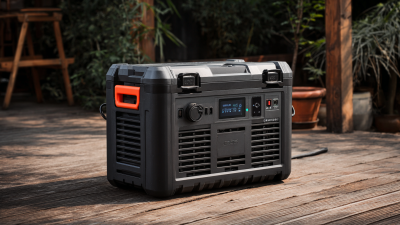
When selecting a portable power station, consider the connectors and device compatibility. Not every power station works with all devices. Check the types of outlets available. Common options include AC outlets, USB ports, and carports.
Some devices require specific connections. For instance, a high-wattage appliance might need a dedicated AC outlet, while small gadgets often connect via USB. Examine your device charging needs before purchasing. Energy requirements help you decide which power station suits you.
Tips: Pay attention to the wattage. Devices with higher power needs require more output. Also, consider dual charging capabilities. Can the station charge multiple devices at once? Efficiency is crucial. Look for models that balance power with portability. Don’t rush your choice. Research your options thoroughly.
How to Choose the Best Portable Power Station for Your Needs? - Examining Connectors and Compatibility with Devices
| Feature | Specification | Compatibility | Use Cases |
| Battery Capacity | 500Wh | Smartphones, Tablets, Laptops | Camping, Travel, Emergency Backup |
| Output Ports | 2 AC, 4 USB, 1 DC | Cameras, Drones, Lights | Outdoor Events, Worksite |
| Weight | 13 lbs (6 kg) | Compatible with all listed devices | Portable Use |
| Recharge Time | 6-7 hours | Home AC, Solar Panels | Sustainable Power Options |
| Safety Features | Short Circuit, Overload Protection | Broad Compatibility | All Types of Users |
Analyzing Price Ranges and Warranty Options for Value
When considering a portable power station, price ranges can vary significantly. Basic models might fall between $100 and $300, while high-end options can exceed $1,000. It's essential to analyze what you truly need. A lower-priced model may suffice for occasional camping trips. Yet, frequent travelers might require something more robust. Be clear about your power demands before committing.
Warranty options also play a critical role in your decision. Many manufacturers offer one to three years, but some provide extended plans. A solid warranty indicates confidence in the product's durability. Remember, a longer warranty can save you money in the long run. It’s worth considering potential repair costs if things go wrong. Think about whether you need a warranty that covers only basic malfunctions or one that includes accidental damage.
Evaluating both price and warranty can lead to better choices. Sometimes, the cheapest option may not offer the best value. Don’t hesitate to dig deeper into reviews; user experiences can shed light on longevity and customer service. A little research can make a significant difference in your satisfaction down the line.
Unleashing the Power of 12V 500F Super Capacitors: A Game Changer for Portable Car Jump Starters and Energy Storage Solutions
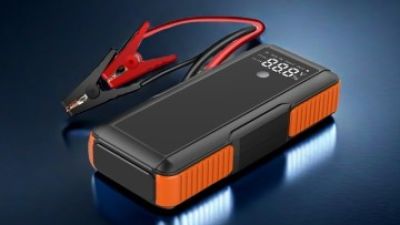
The emergence of 12V 500F super capacitors is revolutionizing the way we approach portable car jump starters and energy storage solutions. These advanced capacitors provide an unparalleled combination of efficiency and performance, making them an ideal choice for anyone in need of reliable power on the go. With a rapid charging time of just 3 minutes, they are specifically designed to meet the demands of modern vehicles, ensuring you’re never left stranded due to a dead battery.
One of the standout features of these super capacitors is their remarkable temperature resilience, functioning optimally in environments ranging from -40℃ to 70℃. This extreme temperature resistance ensures consistent performance, even in the harshest climates. Additionally, their lightweight design and easy storage capabilities make them perfect for all-season use, allowing drivers to carry a powerful emergency starting solution without the bulk and maintenance concerns typically associated with traditional battery-based jump starters. Embracing the versatility of 12V 500F super capacitors means investing in a hassle-free, reliable energy source that can save the day in critical situations.
FAQS
: Battery capacity is measured in watt-hours (Wh). It indicates how much energy a power station can store.
Higher capacity allows devices to run longer. For example, a 300Wh unit supports small devices, while 1000Wh can power larger appliances.
Output power rating is measured in watts (W). It shows how much power a station can deliver at once.
Trying to run devices that exceed this limit may cause failure or damage. It's important to match devices with the power station's output.
Surge capacity handles devices with high starting power. Always account for this during your selection process.
Options include lithium-ion, lead-acid, and solar-powered stations. Each type has its strengths and weaknesses.
They are lightweight and have high energy density. However, they can be more expensive than other types.
Lead-acid stations are often cheaper. They are bulkier but reliable for basic needs like lighting and charging small electronics.
Weather can impact the charging efficiency of solar-powered stations. It's essential to evaluate where you'll use them.
Different devices may need specific connections, such as AC outlets or USB ports. Check compatibility for your devices to ensure efficiency.
Conclusion
When choosing the best Portable Power Station for your needs, it's essential to understand the various features and benefits these devices offer. Begin by identifying your power requirements and potential usage scenarios, as this will guide your selection process. Evaluating the battery capacity and output power ratings is crucial, as these factors determine how long and effectively the power station can supply energy to your devices.
Additionally, comparing different types of Portable Power Stations can help you find the ideal fit. Consider portability features, such as size and weight, to ensure ease of transport. It is also important to examine the connectors and compatibility with your devices to maximize functionality. Finally, analyzing price ranges and warranty options will help you determine the value of your investment, ensuring you make a well-informed decision.

 szrosiyar@gmail.com
 CONTACT NUMBER
 CONTACT NUMBER