GET A QUOTE
Leave Your Message

Blog

10 Portable Power Station Buying Tips for Global Buyers

10 Portable Power Station Buying Tips for Global Buyers

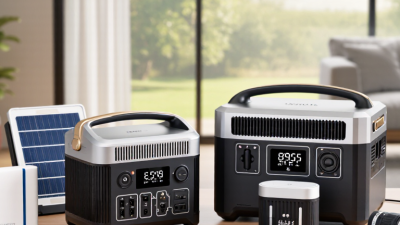
Portable power station shopping? It’s not just for weekend camping anymore. People are picking them up for home backup, mobile work, photography, medical equipment, and emergency communication. And the market forecasts? They’re still looking strong, though not everyone defines the market the same way. Grand View Research expects the global portable power station market to grow a lot through 2030, helped by renewable energy adoption and the need for reliable backup power. Fortune Business Insights is also seeing double-digit growth ahead. The numbers are convincing. But they don’t tell the whole story. A serious purchase is about way more than battery capacity. Sure, a 1,000Wh unit might run a 60W router for hours, but inverter losses eat into the real output. Startup surges can also keep a small unit from running a fridge or power tool. Battery chemistry matters too. LiFePO4 systems usually give you longer cycle life and better thermal stability, while lithium-ion models can stay lighter and more compact. The International Energy Agency’s Batteries and Secure Energy Transitions report points out how important battery performance, supply chains, and responsible manufacturing are becoming. If you’re buying globally, you’ll also want to check charging speed, solar-input limits, operating temperature, warranty terms, and regional plugs. Safety paperwork deserves a close look, too. Look for clear testing info, transport compliance, and the right regional certifications. Product claims can be pretty vague. And that’s the real challenge for buyers. These 10 portable power station buying tips link what the market data says with how to actually evaluate a unit. They also admit an uncomfortable truth: no spec sheet can predict how things will go in every household. Real loads, climate, maintenance, and user habits can all change the result. Careful comparison is still your safest bet for dependable portable power.
Read more »
Lila By:Lila - October 7, 2026
2026 Best House Backup Battery for Home Energy Storage?

2026 Best House Backup Battery for Home Energy Storage?

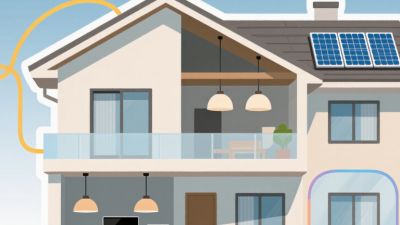
A dependable backup battery for your house can keep the essentials running when the power grid goes down. Think of it as a little emergency helper—it might run your fridge, Wi-Fi, lights, and select outlets, but probably not all your appliances at once. Something interesting Amory Lovins, co-founder of the Rocky Mountain Institute, often says is, ‘The cheapest energy is the energy you don’t use.’ That’s especially true here: cutting down on peak energy demand can actually help your backup system last longer during a blackout. But here’s the thing—everyone’s needs are a bit different. If you live in a cozy apartment, your priorities are different than someone with a well pump at home, for example. This guide for 2026 digs into the practical side of home energy storage. We’ll ask questions like: How much usable capacity does it really provide? Can it power the circuits I care about? Is it compatible with solar panels? And what do the warranty terms actually cover? Installation details and your local conditions matter too—what works in one place might not work in another. Remember, not every home needs the biggest battery out there. And just because a product has a higher number on the specs sheet doesn’t guarantee it’s better at backup. You’ve gotta look at the power rating—not just how much energy it can store—because a system might hold plenty of power but struggle when multiple big loads are running at once. We’ll break down these trade-offs in simple, easy-to-understand terms and point out what questions to ask a qualified installer. Also, keep in mind that product specs can change, so double-check the latest info before making a purchase. After all, real life isn’t always perfect, and your needs might be different from what anyone says on paper.
Read more »
Amelia By:Amelia - September 30, 2026
Top 10 Types of Solar Power Stations for Global Buyers

Top 10 Types of Solar Power Stations for Global Buyers

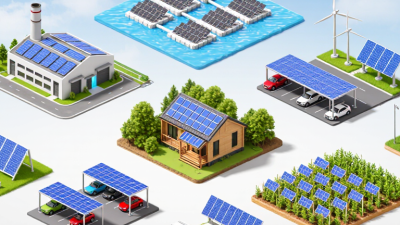
Picking out a solar power station isn’t just about comparing how big the panels are. You’ve gotta think about matching the system to your land size, the sunlight your area gets, how you plan to connect to the grid, what kind of operation you're aiming for, and your budget too. For instance, if you've got a factory with a clear rooftop, a rooftop setup might work perfectly. But if you're looking at a big-scale plant, you'll need suitable land, grid hookups, and a solid plan for the long haul. The little details really do count. This guide lines up ten common types of solar setups — like ground-mounted, rooftop, floating, carport, portable, off-grid, hybrid, microgrid, agrivoltaic, and concentrated solar power stations. Each of these has its own uses and pros and cons. Floating systems, for example, need the right water spots and some specialized design work. Portable units are super flexible and easy to move around, but they’re not really a replacement for those bigger, permanent installations. Honestly, no single type is the best fit for everyone — that’s an important thing to keep in mind. When you're comparing options, don’t just look at the numbers on paper like capacity. It’s crucial to consider how much energy you can expect the system to produce, whether you’ll need storage, the conditions of your site, how easy it will be to do maintenance, what’s covered under the warranties, and how experienced the supplier is. Also, ask how they’ve factored in weather patterns, shading, and seasonal changes — these can really impact performance. Keep in mind, the technical stuff varies a lot depending on where you are, so it’s a smart move to chat with qualified local professionals before making a decision. It’s often more complicated than you think. Plus, these categories often overlap — a solar carport might include batteries, or a microgrid could combine solar with other energy sources. Understanding these differences can help you ask better questions and ultimately pick a system that actually fits your real-world needs.
Read more »
Sophie By:Sophie - September 27, 2026
2026 Best Solar Power Supply for Global Buyers

2026 Best Solar Power Supply for Global Buyers

Nowadays, global buyers are stepping into a more competitive solar power market. Prices for modules keep dropping, there's a growing demand for energy storage, and investments in grid infrastructure are spreading out. According to IRENA’s Renewable Capacity Statistics 2025, a whopping 585 gigawatts of new renewable energy capacity was added worldwide in 2024. Most of that growth came from solar PV systems, which really underscores just how central they’ve become in generating new electricity. The IEA’s Renewables 2024 report even predicts that solar PV will be responsible for about 80% of the global renewable capacity growth all the way through 2030—big numbers, right? So, the general direction is pretty clear. But when it comes to the nitty-gritty details? That’s still a bit murky. Fatih Birol, the head of the International Energy Agency, has called solar “the new king of electricity markets,” and I think that really shows the buzz around it. Still, markets are moving fast, and buyers need more than just hype. You’ve got to get a solar power system that works well in your specific location—whether that’s your rooftop in Dubai soaking up the sun or a microgrid somewhere rural that needs batteries to keep going during cloudy days. A system's performance isn’t just about what the labels say; it’s about actually being reliable over the long haul, considering factors like sunlight, safety standards, and maintenance. This guide for 2026 is all about helping you figure out solar generators, portable power stations, batteries, inverters, and integrated commercial setups for your international needs. We look at actual usable capacity, how many cycles the equipment can handle, efficiency, warranties, certifications, shipping issues, and post-sale support. Sure, manufacturers might make their products sound amazing, but in real life, things can get tricky—the heat, dust, partial shading, or unstable power can all mess with performance. And honestly, that’s a big deal. The best choice isn’t necessarily the biggest system or the cheapest quote. It’s about finding something that’s dependable, with clear specs and support that sticks around after installation. We base our comparisons on current industry data, technical info, and practical buyer insights, but let’s be real—no product is perfect for every situation. In the end, making a solid decision means looking beyond the price tag and hype, and thinking about what really works in your specific environment.
Read more »
Sophie By:Sophie - September 22, 2026
What Is the Best Solar Power Station for Global Buyers?

What Is the Best Solar Power Station for Global Buyers?

Picking the right Solar Power Station for folks around the world isn’t just about how big the batteries are. Different users face all sorts of conditions—sunlight levels, temperatures, various power standards, shipping hassles, and emergency needs. For example, a family down in Australia might really care about quick solar charging, while a remote worker in Kenya could be more concerned with durability and easy maintenance. Meanwhile, someone in Norway probably needs a setup that can handle cold winter months, not just shiny summer performance. Dr. Fatih Birol, who’s the boss over at the International Energy Agency, once said, “Solar is now the cheapest source of electricity in history.” That’s a pretty big deal, and it’s partly why portable solar systems are getting so much more attention these days. But, just because solar energy is cheap doesn’t automatically mean you’re getting a perfect power station. Things like battery chemistry, inverter efficiency, how fast it charges, the number of output ports, warranty coverage, and how easy it is to get it repaired all play a big part. Honestly, sometimes it’s the small details that make all the difference. In this guide, I’m looking at real, practical evidence—focusing on what actually matters—rather than just fancy specs that look good on paper. I’ve checked out products from brands like EcoFlow, BLUETTI, Jackery, and Anker SOLIX. Sure, a 1,000-watt-hour battery can run a laptop, lights, and maybe even a small fridge, but it’s not gonna run everything at once. Plus, the rated capacity isn’t always the same as what you can actually use—that’s something many folks miss. Now, I have to admit, some of my conclusions might not be perfect. Availability varies by country, and lab tests don’t always match real-life conditions—think dusty roads or overcast afternoons. So, I’ll look at how these units perform in the real world, along with safety, portability, overall value, and how good the after-sales support is. Remember, bigger isn’t always better. The best solar power station is the one that fits your climate, your gear, your budget, and your expectations—without those annoying surprises.
Read more »
Amelia By:Amelia - September 18, 2026
China Top Commercial Battery Backup Suppliers?

China Top Commercial Battery Backup Suppliers?

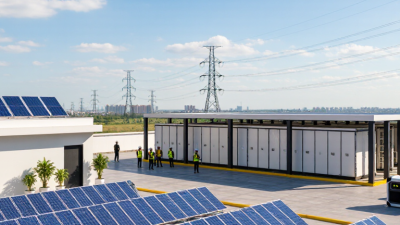
China has really established itself as a major hub for manufacturing commercial energy storage and backup systems. According to the International Energy Agency, global battery demand hit around 750 GWh in 2023. While electric vehicles still make up the biggest chunk of battery use, stationary storage options are also growing fast. This trend means there’s a rising need for reliable backup solutions — think factories, offices, hospitals, warehouses, and data centers — all looking for trustworthy commercial battery backups. Some of China's leading players in this space include BYD Energy Storage, Sungrow, CATL, Huawei Digital Power, EVE Energy, Narada Power, and Pylontech. Their offerings typically feature lithium iron phosphate batteries, battery management systems, outdoor cabinets, and containerized energy storage units. The China Energy Storage Alliance reports that China’s new energy storage installations are booming, thanks in part to a push for renewable energy and managing peak demands more effectively. Plus, BloombergNEF’s cost survey highlights ongoing improvements in battery storage tech—meaning prices are dropping, which is great, but it doesn’t automatically mean better performance. That’s where safety really becomes a big deal—like, a really big deal. Buyers should pay close attention to things like thermal management, cell traceability, efficiency during charging and discharging, warranty details, remote monitoring features, and how quickly support responds. Depending on where the products are headed, certifications from UL, IEC, or UN can also help in the decision process. And according to Wood Mackenzie, the bigger the supply chain and the better the system integration, the more competitive the storage solutions tend to be. Now, trying to pin down the “top supplier” isn’t so straightforward. It really depends on the project size, the specific application, the region, and after-sales support. Plus, public data often mixes up shipment numbers with actual installations completed, which can be misleading. So, instead of just going by rankings, it’s smarter to look at audited specs, verified field performance, commissioning reports, and the total cost of ownership — especially when choosing a Chinese supplier for commercial battery backup systems.
Read more »
Sophie By:Sophie - September 13, 2026
2026 Best Solar Power Supply for Global Buyers?

2026 Best Solar Power Supply for Global Buyers?

Looking ahead to 2026, picking out the best solar power supply isn't just about comparing battery sizes or checking advertised wattage—there's a lot more to consider. Folks buying these systems worldwide will need to look at real-world performance, how quickly they charge, safety certifications, warranty details, and whether there's decent support in their region. For example, a compact power station might boast 2,000 watts, but during hot days, its continuous output could dip a bit. That really makes a difference when you're powering things like fridges, medical equipment, or communication gear. Fatih Birol, the head of the International Energy Agency, actually mentioned that “solar PV is now the cheapest way to produce electricity in history.” That’s pretty cool and shows why there's such a big push for reliable solar tech. But let’s be honest—just because it's affordable doesn’t mean it’s top quality. Buyers should double-check if the system uses solid batteries like LiFePO4 cells, has a good battery management system, and an efficient MPPT controller. It’s also worth making sure everything complies with IEC standards, shipping requirements, and local electrical codes. Safety should always come first. The best products in 2026 will be those that strike a good balance—being portable, sturdy, easy to repair, and smart about managing energy. Brands like EcoFlow, Bluetti, Jackery, and Anker SOLIX are pretty well-known, but their models serve different needs. A field tech might need something super rugged that charges quickly with solar, while a regular household user might care more about quiet operation, expandable storage, and reliable backup. Checking independent lab test results helps, but keep in mind—they don’t cover every climate or usage scenario. Honestly, there's no one-size-fits-all winner here. This guide focuses on what the systems can actually do in real life, rather than just shiny marketing claims. It’s also important to keep in mind that solar input varies a lot—cloudy days, shading, seasons, and installation angles all play a role. So, the best solar power system isn’t necessarily the biggest or most powerful model. It's the one that fits your local sunlight conditions, your daily power needs, your budget, and what’s realistic for your situation.
Read more »
Amelia By:Amelia - September 10, 2026
What Are the 2026 Best Storage Solutions for Home?

What Are the 2026 Best Storage Solutions for Home?

So, what are the top home storage solutions you should be thinking about for 2026? Well, it’s pretty clear that home storage is evolving. Gone are the days when it was just hidden cabinets shoved into corners. Today, it’s all about thoughtful, well-planned spaces that make your living easier. With smaller rooms, everyone working remotely, and furniture that can change to suit your needs, we’re all looking for smarter ways to keep things organized. The best storage solutions should save you space, time, and keep your daily life comfortable — all without breaking the bank or being a pain to fix when needed. According to Grand View Research, the increase in city living and multi-purpose furniture are major reasons behind the boom in home organization products. They point out that modular designs and smart storage ideas are trending in the market right now. Furthermore, the IKEA Life at Home Report highlights that more and more people see home comfort as tied to feeling in control, a sense of belonging, and showcasing their personality. On the other hand, the U.S. Houzz & Home Study still shows folks investing heavily in renovations and functional upgrades. All these insights tell us one thing: storage isn’t just a pretty built-in anymore — it’s a vital part of daily life. Andrew Mellen, a professional organizer and author, hits the nail on the head when he says, “Clutter isn’t the real problem; it’s a sign there’s a deeper issue.” That’s a good reminder because fancy shelves won’t solve habits that aren’t clear or consistent. Sure, a deep drawer might seem super efficient—until it turns into a messy pile within a few weeks. Sometimes, small things like a well-designed entry bench, labeled baskets, and vertical wall rails work much better, especially for busy families. It’s often the little details that really make a difference. In this guide, I’ll walk you through various options like built-in systems, modular units, under-bed drawers, pantry organizers, and smart cabinets. We’ll look at things like capacity, how easy they are to get to, how long they’ll last, how eco-friendly they are, and how much they might cost to install. Be cautious about solutions that seem too focused on convenience — sometimes, the most expensive isn’t always the smartest choice. In 2026, your storage should fit your real routines, not just a perfect idea of what a home should look like.
Read more »
Sophie By:Sophie - September 7, 2026
2026 Top Power Station Trends for Global Buyers to Watch?

2026 Top Power Station Trends for Global Buyers to Watch?

As we head into 2026, the landscape of power stations around the world is changing really fast. If you're involved in the industry, it’s more important than ever to stay on top of the latest trends that are shaping the future. The push towards renewable energy sources has made a huge splash across global power stations. Big players like Siemens, GE, and ABB are pouring loads of investment into new, innovative tech — it’s pretty exciting to see where it’s all heading. Of course, these shifts open up some great opportunities, but they also bring a fair share of challenges. Moving away from fossil fuels to cleaner, greener options means energy companies need to adapt quickly and shell out some serious cash. Power stations now have to adopt more sustainable practices to keep up with new regulations and what the public expects. Technologies like energy storage solutions and smart grid systems are really changing the game, impacting how things are run behind the scenes. That said, not every station is up to speed. Some are still hanging onto old infrastructure, which can lead to inefficiency and wasted resources. This gap highlights why it’s so critical for buyers to really evaluate their options carefully. Getting a good handle on these trends will help navigate the increasingly complex market we’re dealing with. At the end of the day, embracing these changes isn’t just smart — it’s essential if you want to stay ahead in the game.
Read more »
Amelia By:Amelia - August 22, 2026
2026 Best Home Organization Systems for Efficient Spaces?

2026 Best Home Organization Systems for Efficient Spaces?

Lately, it seems like everyone’s really into Home Organization Systems. Honestly, it’s not just a passing fad—people are really craving more efficient, minimalist living spaces. I came across this report from the 2022 National Association of Home Builders, and it said that about 70% of homeowners prioritize organization when they’re doing renovation projects. It’s pretty clear that this isn’t just about looking tidy; it’s about a bigger shift in how we want to live and feel in our homes. Experts say that having a well-organized space can actually help clear your mind and boost your productivity. Marie Kondo, who’s kind of the queen of organization, once said that clutter really can hold us back in everyday life. She believes that a tidy environment isn’t just pretty—it can lead to a more peaceful, more fulfilled life. Good home organization isn’t just about neatness; it’s about changing habits and creating routines that stick. But let’s be honest, finding the perfect solution isn’t easy—there’s no one-size-fits-all. Even with the best intentions, many of us find it tough to keep everything in order. And looking ahead to 2026, the options out there are pretty much endless. From modular shelves to all kinds of clever storage ideas, it can get a bit overwhelming trying to figure out what’s right for your space. The truth is, what works a lot of the time comes down to personal reflections and some trial and error. The best organizational systems are the ones that adapt as your needs change and your lifestyle evolves. It’s really a journey, not a quick fix.
Read more »
Lila By:Lila - August 19, 2026